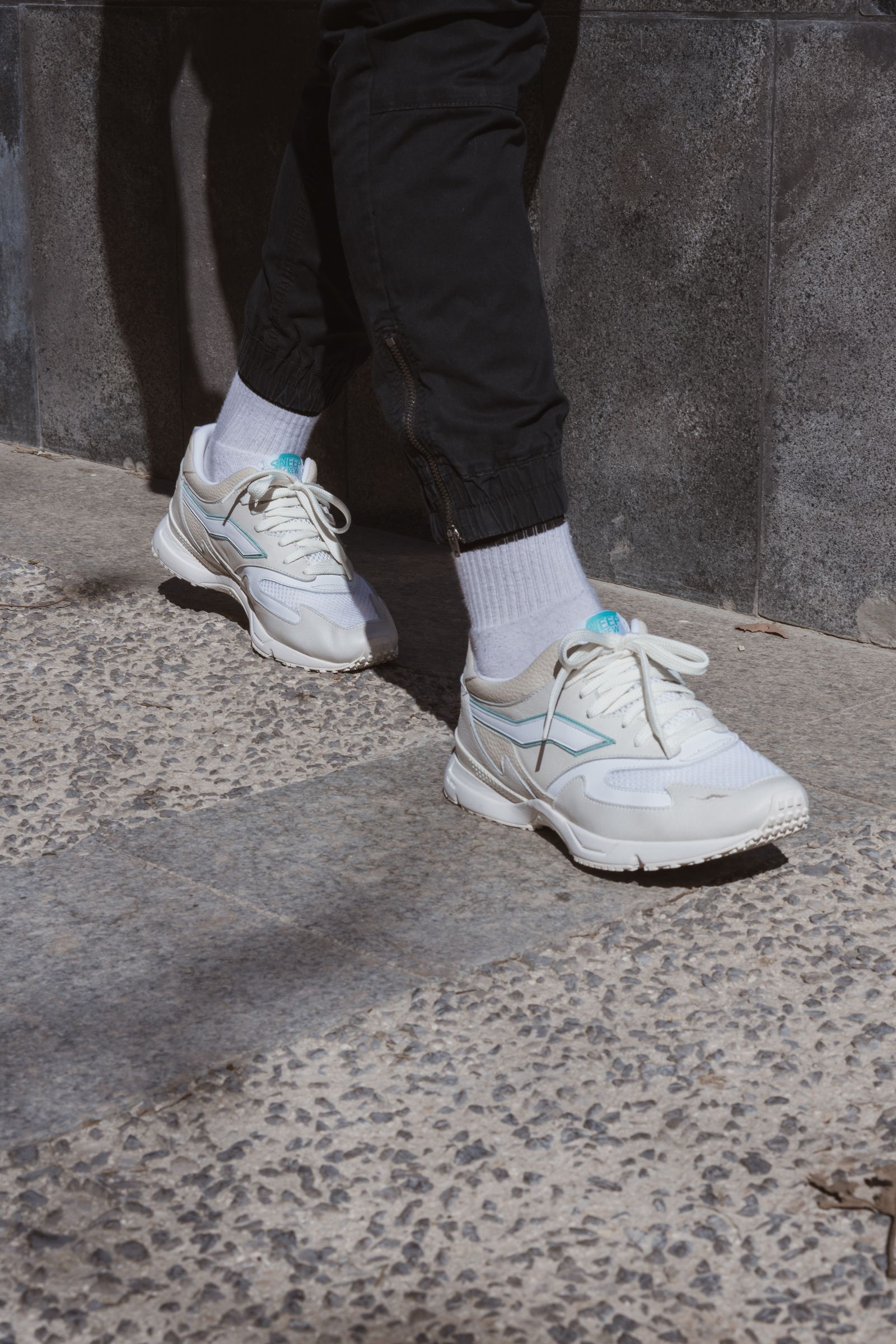
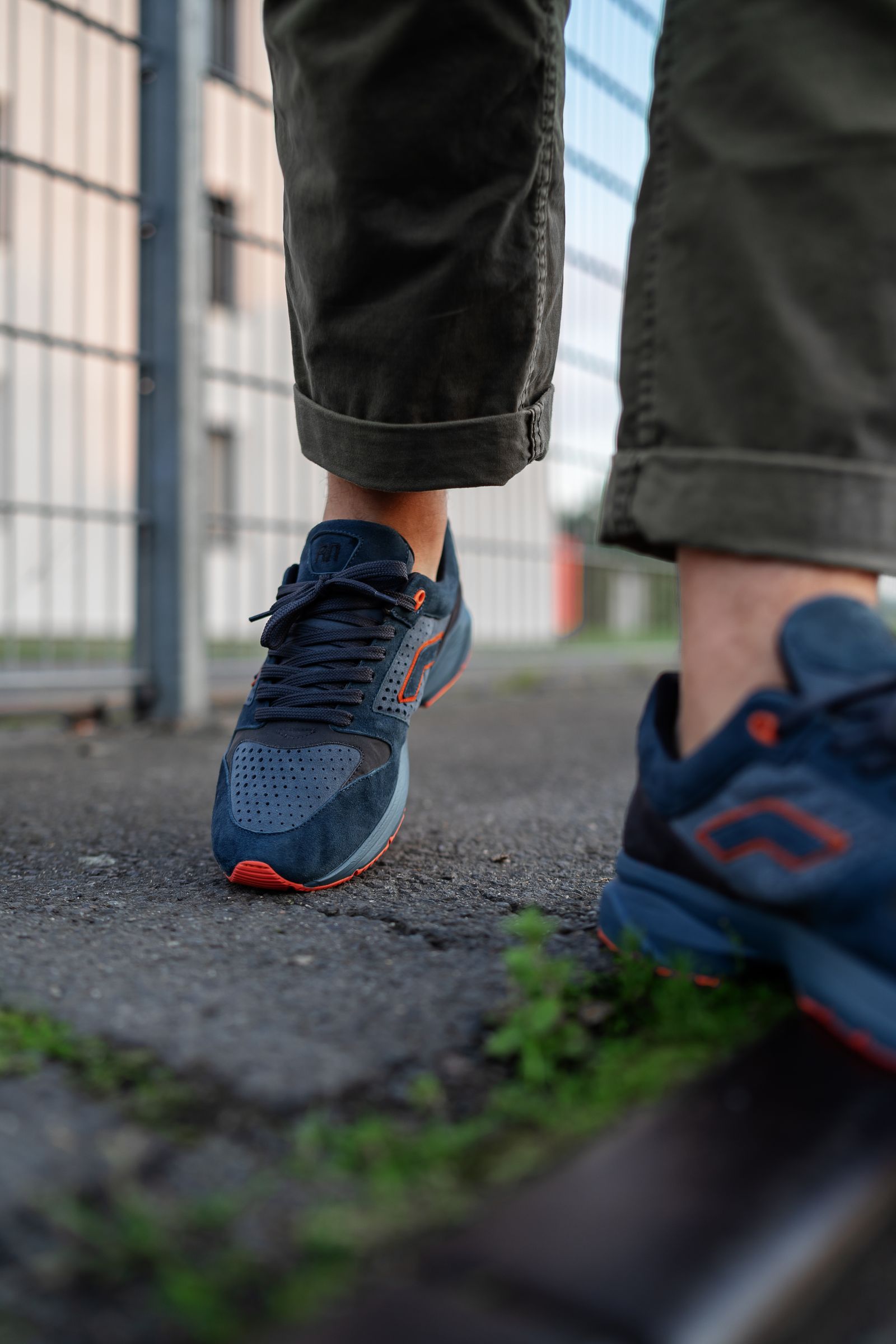
The right walking shoe depends on your pavement, pace, weather, and feet, not on a universal list of best models.
Walking shoes are often sold as if every walk were the same. A smooth commute, a gravel park loop, and a full day on museum floors place different demands on the foot. Before comparing colors or cushioning claims, describe your route. Distance, surface, weather, and the bag you carry are more useful shopping information than a vague promise of all-day comfort.
Bring your real walking conditions
Shop later in the day if your feet tend to swell, and wear the socks you normally use. If you rely on prescribed or preferred insoles, bring them too. Walk on any available incline and hard surface, not only the soft store carpet. Your toes should have room to move, the heel should feel secure, and no seam should announce itself with pressure or rubbing.
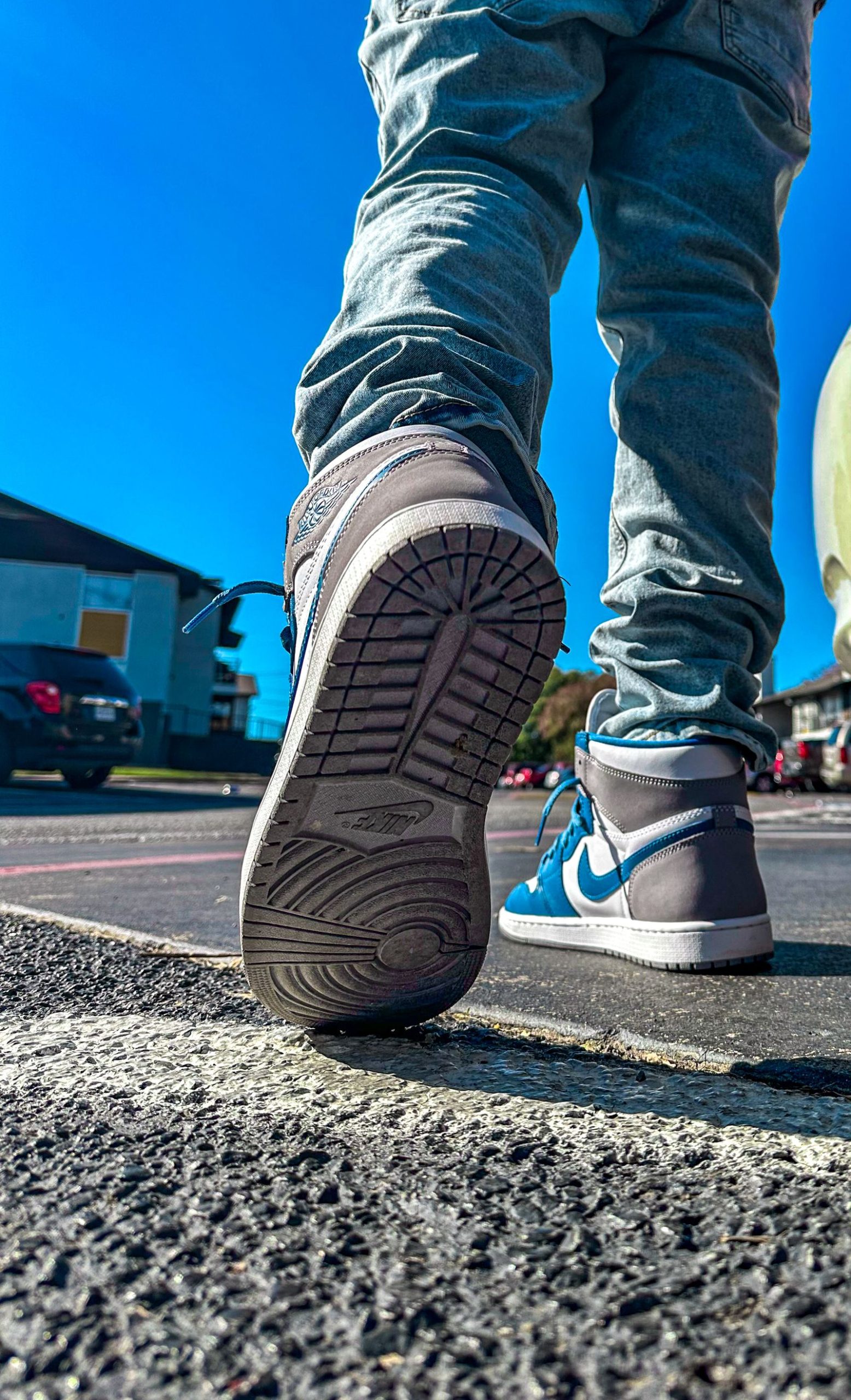
Match the sole to the street
City pavement often benefits from a stable, flexible sole with enough cushioning for repeated impact. Wet routes call for an outsole pattern that can handle slick ground, while uneven paths may need more structure and protection. More material is not automatically better. A shoe that feels heavy or stiff for your gait can turn an easy route into work.
Judge the pair after several walks
Wear new shoes for short outings before committing them to a long day. Notice where the upper bends, whether the heel slips, and how your feet feel after you stop. Persistent pain, numbness, or blisters are not a normal break-in requirement. People with ongoing foot concerns should seek advice from a qualified professional rather than forcing a poor fit.
Make the choice work in real life
A good walking sneaker becomes quiet once you are moving. It supports the route without demanding attention. Choose for the pavement under your feet, then give the pair a measured trial before trusting it with the whole city.