
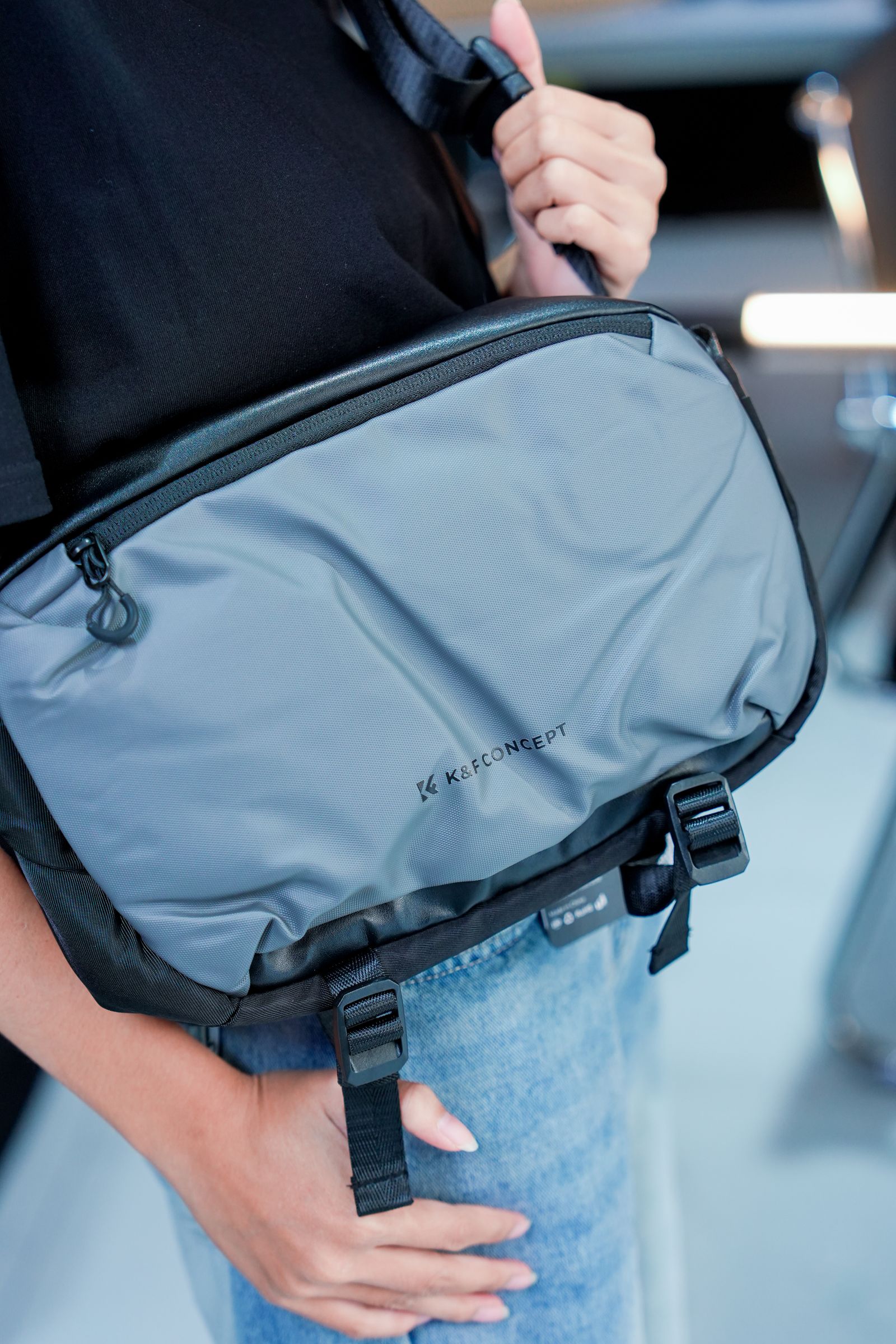
A compact bag can support a long day when every item has a role and the most-used things stay easy to reach.
A small crossbody bag offers a particular kind of freedom: your hands stay available and your belongings remain close. The limit is volume. Overpack it and the zipper strains, the strap digs in, and every receipt becomes an excavation. Pack it as a sequence of moments instead, from leaving home to paying, navigating, refreshing, and returning.
Build a true essentials list
Start with phone, slim wallet, keys, and any necessary personal or medical items. Add only what the day clearly requires, such as sunglasses, transit card, a compact charger, or weather protection. Choose travel-size versions where appropriate and respect local rules for liquids or restricted venues. A tiny pouch can contain loose items without turning the entire bag into a pouch collection.

Place items by frequency
The phone and transit card should be reachable without unloading the bag. Keys need a consistent pocket or clip so they cannot scratch a screen. Put flat items against the body side and heavier objects low and centered. Keep liquids capped, bagged when useful, and away from electronics. The interior should be readable by touch as well as sight.
Adjust the strap for the actual day
Wear the bag with the coat or jacket you plan to use. It should sit close enough to feel controlled without restricting movement. Check that hardware does not press against the collarbone and that the strap does not twist. In crowded places, move the bag toward the front and use available closures. Comfort and awareness work together.
Make the choice work in real life
Before leaving, close the bag and walk around the room. If it swings heavily or you cannot find a key item in seconds, edit again. A small bag feels luxurious when it carries exactly enough and nothing is fighting for space.